
Wines, Tea
From Source to Shelf: Mastering the Supply Chain of Tea, Honey, Chocolate, and Wine
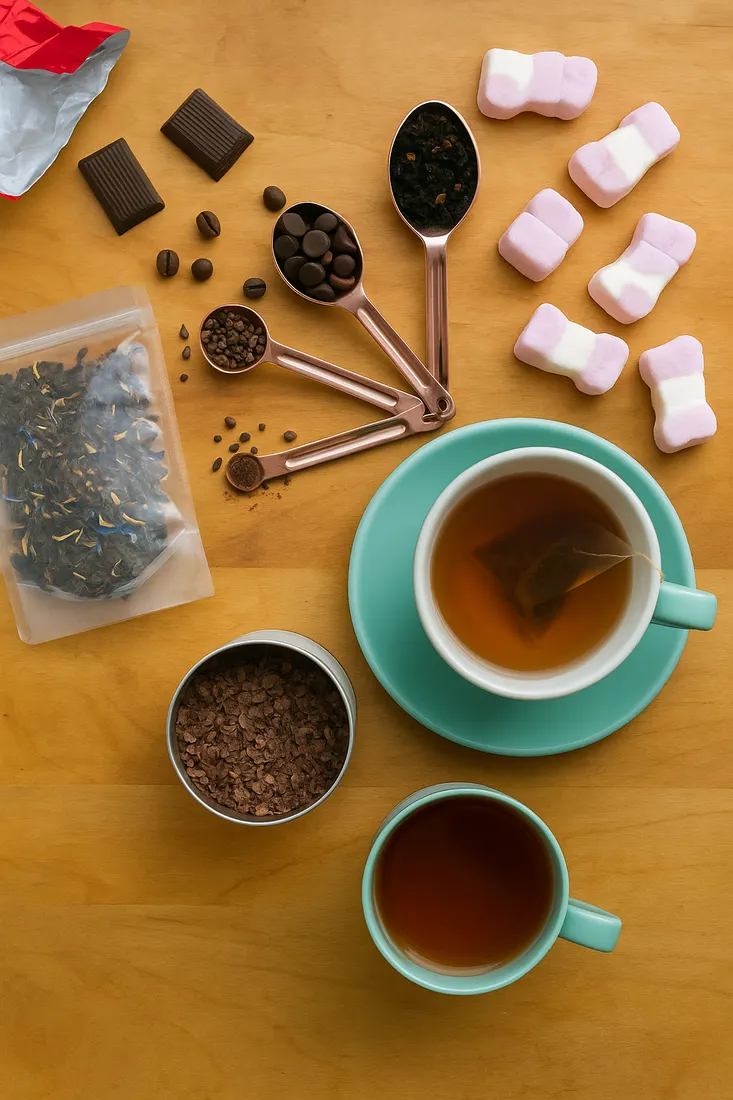
In today’s competitive food and beverage industry, success is no longer just about having a high-quality product — it’s about how efficiently you bring that product to market. For Moroccan producers of tea, honey, chocolate, and wine, the ability to control and optimize the entire value chain — from sourcing raw materials to delivering a premium product on international shelves — is the key to becoming export-ready.
This article is a practical guide for B2B buyers, distributors, and Moroccan agro-producers who want to streamline logistics, improve traceability, and maximize product value across borders.
### 🧱 1. Building a Reliable Supply Base
Everything begins with raw material sourcing, and for Morocco, the natural richness of the land is a major advantage.
- Tea: While Morocco is a large consumer and importer of green tea, local producers and blenders add value by creating traditional infusions with mint, verbena, or thyme. Reliable sourcing from China, then blending locally, is common.
- Honey: Sourcing depends on local beekeepers and cooperatives in regions like Souss, Al Haouz, and the Atlas Mountains. Seasonal and environmental factors affect consistency and volume.
- Chocolate: Most cocoa is imported, but artisanal chocolatiers rely on steady supply of quality couverture, often Belgian or French. Local ingredients (e.g., almonds, dates, argan oil) can add unique Moroccan value.
- Wine: Grapes must be sourced from carefully maintained vineyards (e.g., Meknès, Guerrouane). Harvesting, fermentation, and bottling all require precision timing and equipment.
### 🚚 2. Processing & Transformation
Once raw materials are sourced, they must be processed and transformed under sanitary, technical, and regulatory conditions.
- HACCP certification and ONSSA compliance are mandatory for food safety.
- Many Moroccan producers invest in semi-automated facilities for scalability while keeping artisanal quality.
- For wine and honey, batch tracking and chemical analysis ensure regulatory compliance for export.
### 📦 3. Packaging: Functionality Meets Storytelling
Packaging is not just about protection — it’s also a marketing and logistics tool.
- Must withstand transport and preserve product integrity (UV protection for wine, airtight sealing for honey).
- Should be adapted for retail and wholesale formats.
- Must include multilingual labels, clear nutritional info, origin certification, and expiry dates.
### 🌐 4. Logistics and Cold Chain Management
Efficient logistics are crucial to preserve product quality — especially for temperature-sensitive goods like chocolate or wine.
- Use refrigerated containers or climate-controlled vehicles when needed.
- Choose logistics partners experienced in agro-food transport (especially those handling EU, Gulf, and African exports).
- Groupage shipping is useful for small batches; full container loads reduce unit costs.
### 🛒 5. Shelf Placement & Last-Mile Delivery
Getting your product into the hands of the final customer — whether in a fine foods store in Paris or a hotel chain in Dubai — requires a tailored approach.
- Work with local distributors who understand your product and the local consumer.
- Negotiate shelf placement or listing fees in advance.
- Adapt to buyer expectations: gift packaging during holidays, tasting kits for B2B buyers, or eco-labeled formats for Europe.
Mastering the supply chain from source to shelf is what transforms a local Moroccan product into a premium export brand. With the right sourcing, processing, packaging, and distribution strategy, your tea, honey, chocolate, or wine can travel the world — while preserving the soul of Morocco in every drop, grain, or bite.