
Wines, Tea, Chocolate
2025 Trends: What Professional Buyers Are Looking for in Tea, Chocolate, Honey, and Wine
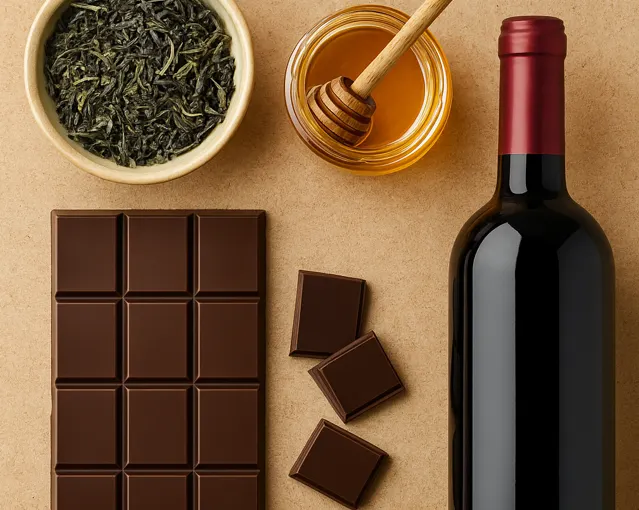
As global demand for premium food and beverage products grows, professional buyers are becoming more selective and strategic. In 2025, importers, distributors, and retail chains are looking far beyond basic quality. They want products that combine authenticity, innovation, sustainability, and storytelling.
This guide explores the key trends shaping buyer expectations in four flagship Moroccan export categories: tea, chocolate, honey, and wine.
### 🍵 1. Tea: Heritage Meets Functionality
In 2025, tea buyers are increasingly drawn to products that reflect cultural richness, wellness benefits, and eco-friendly values.
What buyers want:
- Functional blends: Tea combined with medicinal herbs (ginger, verbena, thyme, turmeric) for health-conscious consumers.
- Authenticity: Moroccan mint tea presented with cultural identity (e.g. metal tins, Berber motifs).
- Low-caffeine or caffeine-free infusions for the wellness market.
- Eco-packaging: Compostable tea bags, plastic-free wrapping, and minimalist design.
### 🍫 2. Chocolate: Premiumization and Ethical Sourcing
In chocolate, the 2025 trend is all about indulgence with purpose. B2B buyers are shifting toward premium, small-batch products that are ethically made and offer a unique sensory experience.
What buyers want:
- Bean-to-bar transparency: Full traceability from cocoa origin to final product.
- Exotic Moroccan ingredients: Argan oil, rose petals, dates, orange blossom, and saffron-infused creations.
- Artisanal production with international certifications (BIO, Fair Trade, Halal).
- Elegant packaging for gift markets, hotels, and high-end retailers.
### 🍯 3. Honey: Traceability and Terroir
Buyers in 2025 are seeking raw, unprocessed honey that reflects both local origin and lab-tested quality.
What buyers want:
- Single-origin and monofloral honeys: e.g. thyme, eucalyptus, carob, or jujube.
- Laboratory-tested purity and low moisture content.
- Glass jars or sustainable pots that preserve aroma and color.
- Labels that educate: explaining floral sources, region of harvest, health benefits.
### 🍷 4. Wine: Native Grape Revival and Label Innovation
Moroccan wines continue gaining interest, especially in niche and boutique markets. Buyers want distinctive terroir wines, low-intervention techniques, and unique branding.
What buyers want:
- Native grape varieties or blends from regions like Guerrouane, Benslimane, and Meknès.
- Organic or natural wine practices: minimal sulfites, hand-harvesting, aging in clay or oak.
- Modern, artistic labels that stand out on crowded shelves.
- Wine tourism value: connection to vineyard stories, Moroccan winemakers, and sustainability efforts.
### 📊 5. What Influences Buying Decisions in 2025
Across all product types, here’s what buyers rank highest:
Buyer PriorityDescriptionTransparencyClear sourcing, traceability, and certificationsSustainabilityEco-packaging, low-impact production, fair tradeDifferentiationUnique taste, local ingredients, strong brand identityShelf AppealVisual packaging, QR codes, multilingual labelingConsistencySupply reliability, batch control, long-term collaboration
In 2025, professional buyers are not just looking for “products.” They want premium experiences — rooted in local authenticity, crafted with care, and packaged with purpose. Moroccan producers of tea, chocolate, honey, and wine who align with these expectations are perfectly positioned to win long-term, high-value export opportunities.